

Bounce Back Loan Fraud & Misuse: What UK Company Directors Need to Know
Read More




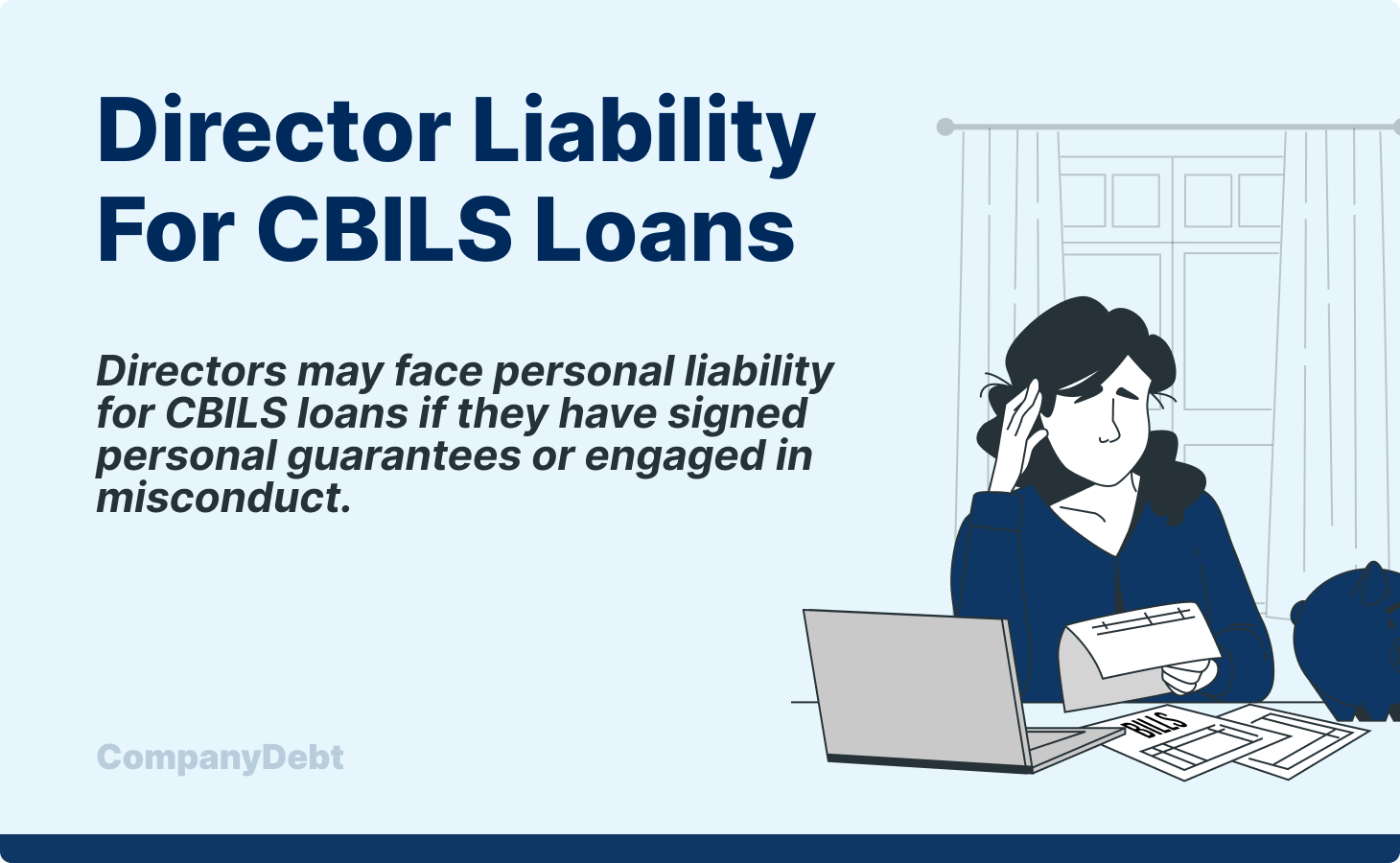
Directors may face personal liability for CBILS loans if they have signed personal guarantees or engaged in misconduct.
The government’s 80% guarantee is for the lender, not the director, and does not automatically protect directors from personal liability. Personal guarantees are only applicable for loans over £250,000; even then, recoveries are capped at 20% of the outstanding balance.
Understanding these elements is crucial, especially given the financial pressures many directors face. This guidance aims to clarify these concerns, although it should not be taken as legal advice.
CBILS loans differ primarily from bounce-back loans in terms of personal guarantees and loan size. CBILS loans could require personal guarantees for over £250,000, while Bounce-Back Loans did not allow personal guarantees under any circumstances. As a result, directors with larger CBILS loans might face personal liability if their company defaults.
CBILS loans up to £5 million are offered to lenders with an 80% government guarantee, leaving them with a 20% risk. This exposure led lenders to sometimes request personal guarantees for loans exceeding £250,000. In contrast, BBLS loans were capped at £50,000 and fully backed by a 100% government guarantee, removing the need for personal guarantees.
Eligibility and assessment processes also varied. CBILS required a pre-COVID viability assessment and evidence of affordability, targeting SMEs with a turnover of up to £45 million. BBLS had a simplified application process with self-certified eligibility, aimed at smaller businesses and sole traders.
Key differences include:
| Factor | CBILS | BBLS |
|---|---|---|
| Loan Size | Up to £5 million | Up to £50,000 |
| Government Guarantee | 80% | 100% |
| Personal Guarantees | Possible for over £250,000 | Not allowed |
| Eligibility | Required detailed assessments | Used self-certification |
The government’s 80% guarantee on CBILS loans is designed to protect lenders, not company directors. If a borrower defaults, the government covers 80% of the lender’s losses, which does not reduce the borrower’s liability. Directors remain fully responsible for repaying the loan and any associated interest.
Here is what the 80% guarantee does and does not cover:
Understanding this distinction is crucial for directors to manage their financial responsibilities effectively and avoid unexpected liabilities.
Directors of companies with CBILS loans must understand potential liabilities arising from personal guarantees or misconduct.
Lenders may require personal guarantees for CBILS loans over £250,000, making directors personally liable if the company defaults. However, enforcement is limited, as lenders can claim up to 20% of the outstanding balance, excluding the director’s primary residence.
Lenders seek recovery from company assets if a company defaults before pursuing personal guarantees. For example, if a company defaults with £500,000 outstanding and recovers £100,000 from assets, a director may be liable for up to £80,000 (20% of the remaining £400,000).
Directors must ensure proper use of CBILS funds. Misusing funds, such as for personal expenses, can lead to personal liability.
Wrongful trading occurs when directors continue business operations despite knowing insolvency is inevitable, potentially resulting in personal contributions to the company’s debts. Misfeasance involves breaching fiduciary duties, such as paying dividends when the company is insolvent.
Each scenario carries severe implications, including potential disqualification from directorships and financial penalties. Directors should seek professional advice if their company faces financial difficulties to mitigate risks effectively.
If your company struggles to repay its CBILS loan, act promptly to explore options and mitigate potential personal liability. Start by negotiating with your lender, as many are open to restructuring repayment terms if you communicate early and transparently about your financial difficulties.
Seeking professional advice from an insolvency practitioner (IP) can be invaluable. An IP can assess your company’s financial situation, help determine any personal liability, and guide you through available insolvency processes, such as administration or liquidation, which might protect your interests and those of the creditors.
Here are some practical steps to consider:
Maintain clear and accurate financial records to minimise personal risk with a CBILS loan. This demonstrates transparency and provides a defence against allegations of misconduct. Directors should regularly review any personal guarantees linked to their loans to understand their obligations fully.
Seeking professional support early is crucial. Engaging with an insolvency practitioner or financial adviser offers valuable insights into managing your company’s financial health and ensuring legal compliance, especially in complex situations such as potential insolvency.
Avoid actions that might be perceived as wrongful or unlawful. Directors must be vigilant about cash flow management to prevent trading while insolvent, which could lead to personal liability under wrongful trading laws. Regularly monitoring the company’s financial status helps make informed decisions and avoid improper trading.
By taking these steps and seeking timely professional advice, directors can better protect their personal assets and ensure they act in the company’s and its creditors’ best interests.
Are directors automatically liable if the company defaults on a CBILS loan?
No, directors are not automatically liable. Liability depends on whether a personal guarantee was signed or if misconduct, such as wrongful trading or misfeasance, occurred.
How can I check if I signed a personal guarantee for my CBILS loan?
Review the loan agreement documents provided by your lender. Personal guarantees are typically outlined in these agreements.
Does the government’s 80% guarantee protect me personally?
No, the 80% guarantee protects the lender, not the director. It does not shield directors from personal liability.
What happens if I continue trading despite knowing my company might fail?
Continuing to trade under such circumstances could lead to wrongful trading charges, potentially making you personally liable for company debts.
Can my personal assets be seized if the company misuses the loan funds?
If misuse is proven and a personal guarantee was signed, your personal assets could be at risk.
Is there a difference in liability between directors on the guarantee and those who aren’t?
Only directors who signed a personal guarantee are directly liable under that agreement. Others may still face liability for misconduct.
Where can I seek professional guidance or advice if I’m worried about liability?
Consult with an insolvency practitioner or legal adviser to understand your position and explore options to mitigate risks.